

EVO/EVO+ ICL
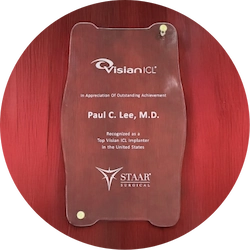
Dr. Paul C. Lee recognized as the Top ICL Surgeon in the Nation
Dr. Paul C. Lee performs EVO ICL on Jimmy Yang
At California Center for Refractive Surgery (CCRS), we offer advanced EVO ICL (Implantable Collamer Lens) surgery at our locations in Los Angeles, Van Nuys, Pasadena, and Sherman Oaks. Led by Dr. Paul C. Lee, a nationally recognized Top ICL Surgeon, our team specializes in providing life-changing vision correction for patients with nearsightedness, astigmatism, dry eyes, and thin corneas who may not be candidates for LASIK or PRK. The EVO ICL (implantable Collamer™ lens) is a biocompatible, removable intraocular lens that corrects refractive errors while preserving your natural eye anatomy. With over 20 years of experience and thousands of successful procedures, we deliver exceptional outcomes and personalized care.
- What Is EVO ICL?
- EVO ICL Vs. LASIK: Which Is Right For You?
- Benefits Of EVO ICL Surgery
- Are You A Candidate For EVO ICL?
- The EVO ICL Procedure: What To Expect
- Recovery Timeline
- Why Choose California Center For Refractive Surgery?
- Patient Testimonials And Success Stories
- Frequently Asked Questions About EVO ICL
What is EVO ICL Eye Surgery?
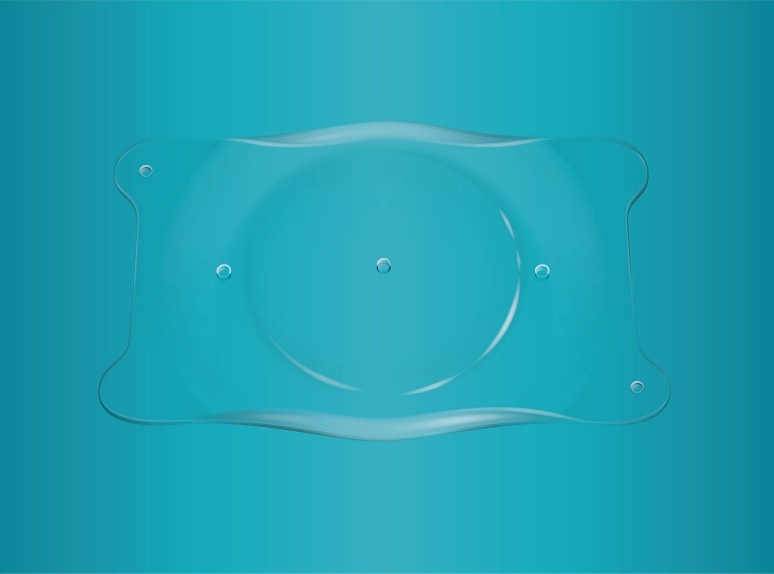
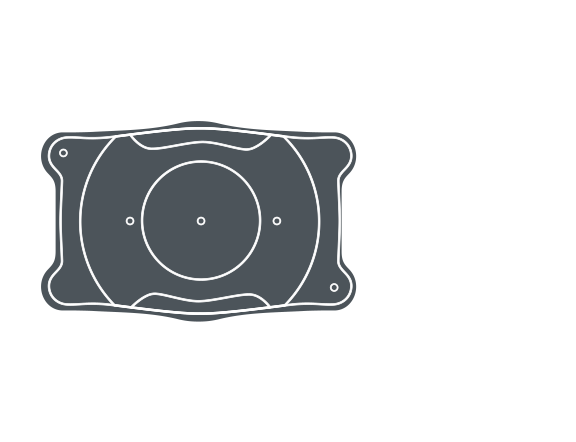
The EVO ICL is an advanced implantable contact lens made from Collamer, a biocompatible material that contains natural collagen. Unlike LASIK or PRK, which reshape the cornea, the EVO ICL is a phakic intraocular lens (IOL) that works additively when placed between your iris and natural lens. This innovative approach corrects refractive errors including myopia (nearsightedness) and astigmatism while preserving your natural corneal anatomy.
The lens is invisible to others and to you, providing natural vision correction without the need for daily contact lens maintenance or eye drops. The EVO ICL has been used successfully in over 3 million procedures worldwide and is FDA approved for correction of myopia ranging from -3.0D to -20.0D, with astigmatism correction up to 4.0D.
EVO ICL Vs. LASIK: Which Is Right For You?
While both EVO ICL and LASIK correct refractive errors, they work through fundamentally different mechanisms. LASIK uses an excimer laser to reshape the cornea, removing tissue to correct vision. The EVO ICL, by contrast, is an additive procedure that does not alter your corneal structure.
This distinction makes EVO ICL ideal for patients with thin corneas, dry eye syndrome, or very high prescriptions where LASIK may not be suitable. Additionally, the EVO ICL is reversible, meaning it can be removed or replaced if needed, whereas LASIK is permanent. The EVO ICL also provides superior UV protection for the eye’s natural lens, which is important for long-term eye health.
Patients often report exceptional quality of vision with the EVO ICL, with 99% achieving 20/20 vision or better.
Benefits Of EVO ICL Surgery
Sharp, High-Quality Vision: Patients enjoy sharp,
 Trusted Source
Effect of the EVO+ Visian Phakic Implantable Collamer Lens on Visual Performance and Quality of Vision and Life
Martínez-Plaza E, López-Miguel A, López-de la Rosa A, et al
Go to Source
Trusted Source
Effect of the EVO+ Visian Phakic Implantable Collamer Lens on Visual Performance and Quality of Vision and Life
Martínez-Plaza E, López-Miguel A, López-de la Rosa A, et al
Go to Source
clear vision
, day and
Trusted Source
A prospective comparison of phakic collamer lenses and wavefront-optimized laser-assisted in situ keratomileusis for correction of myopia
Parkhurst GD
Go to Source
night.
Biocompatible Design: Made from Collamer containing natural collagen, the lens integrates seamlessly with your eye without triggering rejection or degradation.
Reversible And Removable: Unlike LASIK, the EVO ICL can be removed or replaced if your vision needs change or if you develop presbyopia later in life.
No Corneal Reshaping: Preserves your natural corneal anatomy, making it ideal for thin corneas or patients concerned about corneal integrity.
Suitable For High Prescriptions: Corrects myopia up to -20.0D and astigmatism up to 4.0D, making it an excellent option for patients with severe refractive errors.
Invisible Correction: The lens is completely invisible, both to others and to you, providing discreet vision correction.
UV Protection: Built-in UV blocking provides additional eye protection.
Quick Recovery: Most patients experience improved vision within 24 hours and can return to normal activities within days.
Minimal Dry Eye: Unlike LASIK, the EVO ICL does not disrupt corneal
Trusted Source
Matched population comparison of visual outcomes and patient satisfaction between 3 modalities for the correction of low to moderate myopic astigmatism
Ganesh S, Brar S, Pawar A
Go to Source
nerves,
resulting in minimal dry eye
Trusted Source
Analysis on the changes of objective indicators of dry eye after implantable collamer lens (ICL) implantation surgery
Zhang H, Deng Y, Ma K, Yin H, Tang J
Go to Source
symptoms.
Excellent Patient Satisfaction: With a
Trusted Source
The Implantable Collamer Lens with a central port: review of the literature
Packer M
Go to Source
99% satisfaction
rate and over 3 million successful procedures worldwide, the EVO ICL has an outstanding safety and efficacy profile.
Practicing refractive surgery for over 20 years with the idea that vision correction surgery should go beyond LASIK
See Clearly Day and Night
Whether on an adventure or simply reading about one, EVO ICL helps you see clearly – day and night.
See Clearly Day and Night
Whether on an adventure or simply reading about one, EVO ICL helps you see clearly – day and night.
Are You A Candidate For EVO ICL?
You may be an excellent candidate for EVO ICL if you meet the following criteria:
- Age 18 to 45 years old
- Stable prescription for at least one year (minimal change in your eyeglass or contact lens prescription)
- Myopia (nearsightedness) between -3.0D and -20.0D
- Astigmatism up to 4.0D (corrected with EVO TICL, the toric variant)
- Adequate anterior chamber depth (measured during your comprehensive eye exam)
- No history of eye disease, including cataracts, glaucoma, or retinal conditions
- Good overall eye health with no active infections or inflammation
- Realistic expectations about vision correction outcomes
Patients with thin corneas, severe dry eye, or high prescriptions who are not suitable for LASIK or PRK are often excellent EVO ICL candidates. During your comprehensive consultation, Dr. Lee and our team will perform advanced diagnostics to determine your candidacy and discuss whether EVO ICL is the right choice for your vision correction needs.


No Dry Eye Syndrome
Laser vision correction may cause dry eyes as the surgery removes and reshapes the corneal tissue. The Visian EVO ICL procedure does not induce dry eye syndrome.
The EVO ICL Procedure: What To Expect
EVO ICL surgery is a quick, outpatient procedure performed under topical anesthesia (numbing eye drops). Here is what to expect:
Consultation And Diagnostics: Your journey begins with a comprehensive eye exam including advanced imaging to measure your eye’s dimensions, corneal thickness, and anterior chamber depth. This ensures precise lens sizing and optimal outcomes.
Pre-Operative Preparation: On the day of surgery, numbing drops are applied to your eye. You will be awake during the procedure but will not feel pain, only mild pressure.
Lens Implantation: Dr. Lee makes a small, self-sealing incision (approximately 3mm) on the side of your cornea. The EVO ICL is gently inserted through this tiny opening and positioned between your iris and natural lens. The entire procedure takes approximately 10 to 15 minutes per eye.
No Stitches Required: The incision is self-sealing and requires no stitches, minimizing trauma and promoting rapid healing.
Post-Operative Care: You will receive detailed post-operative instructions, including prescribed eye drops and activity restrictions. Most patients experience improved vision within 24 hours.
Recovery Timeline
Recovery from EVO ICL surgery is remarkably quick:
Day 1: Vision typically improves significantly within 24 hours. You may experience mild blurriness or haziness, which resolves quickly.
Days 2-7: Vision continues to stabilize and improve. Most patients can return to work and light activities.
Weeks 2-4: Vision stabilizes further. You can resume most normal activities, including exercise, though contact sports should be avoided for 2-4 weeks.
Months 1-3: Final vision stabilization occurs. Follow-up appointments ensure optimal healing and address any questions.
Long-Term: The EVO ICL provides permanent vision correction. Regular eye exams (annually or as recommended) monitor your eye health and ensure the lens remains in optimal position.
Why Choose California Center For Refractive Surgery?

Dr. Paul C. Lee, Top ICL Surgeon In The Nation
Dr. Paul C. Lee is the founder and medical director of California Center for Refractive Surgery and is recognized as a Top ICL Surgeon in the Nation. With over 20 years of experience in refractive surgery, Dr. Lee has performed thousands of successful EVO ICL procedures, earning him a reputation as one of the most skilled and experienced ICL surgeons in the country.
Dr. Lee is board-certified by the American Board of Ophthalmology (ABO) and holds specialized training in refractive surgery. He was named one of America’s top eye doctors by Newsweek, and is a Castle Connolly Top Doctor, an honor bestowed on less than 7% of physicians nationwide, recognizing his clinical excellence, patient outcomes, and professional reputation.
His commitment to advancing refractive surgery techniques and patient care has made him a sought-after speaker at national ophthalmology conferences. Dr. Lee’s philosophy centers on personalized care, meticulous surgical technique, and achieving the best possible visual outcomes for each patient. His patients consistently praise his expertise, compassion, and dedication to their vision correction goals.
Unique to CCRS, Dr. Lee performs pre-operative evaluations for all of his patients, personally assessing their candidacy for EVO ICL surgery. Dr. Lee has performed EVO ICL surgery on his associate Dr. Mania Asadourian who became the first optometrist in the U.S. to receive the EVO ICL.

Dr. Mania Asadourian, Optometrist
Dr. Mania Asadourian holds a Doctor of Optometry degree and brings extensive experience in comprehensive eye care, refractive surgery evaluation, and patient management.
Her expertise in pre-operative and post-operative care ensures that every patient receives comprehensive support throughout their vision correction journey. Dr. Asadourian is known for her thorough and compassionate approach to patient care. She works closely with Dr. Lee to ensure that each patient receives personalized treatment tailored to their unique vision correction needs and goals.
Patient Testimonials And Success Stories
“I can’t say enough positive things about Dr. Lee and his entire team as well as the procedure itself. I struggled with poor eyesight and wore glasses and contacts for over 25 years. My wife and I recently had a son and I knew it was time to correct my vision with ICL and live life contacts and eye glasses free. From the initial consultation through scheduling, the procedure, and post operative follow up – CCRS was extremely knowledgeable, professional, and informative but also extremely kind and caring. They ensure a stress free process and at 7 minutes per eye – ICL is something I would recommend to everyone looking for life changing vision correction.”
– S.L., Google Review ⭐⭐⭐⭐⭐
“I got ICL surgery with Dr. Paul Lee back in 2023 and just finished my last appointment. Life is amazing with 20/20 vision and no pain in my eyes after struggling with contact lenses and thick glasses since childhood. This is something I was planning to do for a long time and am very happy I decided to go here for this big change. I look forward to many more years with my new eyesight!”
– S.M., Google Review ⭐⭐⭐⭐⭐
Frequently Asked Questions About EVO ICL
No. The EVO ICL is completely invisible. It is positioned behind your iris (the colored part of your eye) and in front of your natural lens, making it undetectable to others and to you. You will not feel the lens or be aware of its presence.
Yes. One of the key advantages of the EVO ICL is its reversibility. If your vision needs change or if you develop presbyopia (age-related vision changes) later in life, the lens can be removed or replaced. This flexibility is a significant advantage over permanent procedures like LASIK, which alters the natural anatomy of the cornea.
The EVO ICL is designed to be a permanent vision correction solution. The biocompatible Collamer material does not degrade or break down over time. Regular eye exams ensure the lens remains in optimal position.
Cataract development is not accelerated by the EVO ICL. The lens is positioned in front of your natural lens and does not interfere with its function. Long-term studies show no increased risk of cataracts in EVO ICL patients compared to the general population.
Most insurance plans classify EVO ICL as an elective refractive surgery procedure and do not cover the cost. However, CCRS offers flexible, no-interest financing options to make vision correction affordable. We work with several financing companies to provide payment plans that fit your budget. During your consultation, our team will discuss all available financing options.
CCRS has its own state-of-the-art surgical suite to perform EVO ICL surgery. Unlike many other practices who must pay to rent a surgical facility, CCRS can pass on these savings of thousands of dollars to our patients.
Like any surgical procedure, EVO ICL surgery carries potential risks, though serious complications are rare. Possible side effects include temporary blurred vision, glare, halos around lights (especially at night), and mild dry eye. These typically resolve within weeks to months. Serious complications such as infection, lens malposition, or retinal detachment are extremely rare (less than 1%) when performed by an experienced surgeon like Dr. Lee. During your consultation, Dr. Lee will discuss all potential risks and benefits in detail and answer any questions you may have.
Yes. Most patients have EVO ICL implanted in both eyes to achieve balanced vision correction. Given its extremely high safety records, it’s now common and well accepted to have bilateral surgery on the same day.
If your prescription changes significantly after EVO ICL surgery, the lens can be removed and replaced with a new lens with updated power. Alternatively, additional refractive procedures (such as LASIK or PRK on the cornea) can be performed in combination with the EVO ICL to fine-tune your vision. Dr. Lee will discuss the best approach for your specific situation.
Most patients can return to work and light activities within 1-2 days. Strenuous exercise and contact sports should be avoided for 2-4 weeks to allow proper healing. Dr. Lee will provide detailed post-operative instructions tailored to your lifestyle and activity level.
Schedule Your EVO ICL Consultation Today
Ready to explore whether EVO ICL is right for you? Contact CCRS to schedule your comprehensive consultation with Dr. Paul C. Lee or Dr. Mania Asadourian.
We have convenient locations in Los Angeles (Wilshire Boulevard), Pasadena (East Colorado Boulevard), and Sherman Oaks (Van Nuys Boulevard).
During your consultation, we will perform advanced diagnostics, discuss your vision correction goals, and determine your candidacy for EVO ICL surgery. Our team is committed to answering all your questions and helping you make an informed decision about your vision correction options.
1 Martínez-Plaza E, López-Miguel A, López-de la Rosa A, et al. Effect of the EVO+ Visian Phakic Implantable Collamer Lens on Visual Performance and Quality of Vision and Life. Am J Ophthalmol 2021;226:117-125.
2 Parkhurst GD. A prospective comparison of phakic collamer lenses and wavefront-optimized laser-assisted in situ keratomileusis for correction of myopia. Clin Ophthalmol. 2016;10:1209-1215.
3 Ganesh S, Brar S, Pawar A. Matched population comparison of visual outcomes and patient satisfaction between 3 modalities for the correction of low to moderate myopic astigmatism. Clin Ophthalmol. 2017;11:1253-1263.
4 Zhang H, Deng Y, Ma K, Yin H, Tang J. Analysis on the changes of objective indicators of dry eye after implantable collamer lens (ICL) implantation surgery. Graefes Arch Clin Exp Ophthalmol. 2024 Jul;262(7):2321-2328.
4 Packer M. The Implantable Collamer Lens with a central port: review of the literature. Clin Ophthalmol. 2018;12:2427-2438.
The doctors at CCRS have reviewed and approved this content.
 Call
Call  Book
Book  Quiz
Quiz  Locations